India's LPG Crisis: Supply Hits as Middle East Tensions Rise
May, 26 2026
When The Ministry of Petroleum and Natural Gas confirmed that online bookings for cooking gas had surged by 98%, it wasn't just a statistic—it was a signal of panic spreading across Indian households. The crisis stems from escalating tensions in the Middle East, specifically around the Strait of Hormuz, which handles nearly 90% of India’s imported Liquefied Petroleum Gas (LPG). With military conflicts ongoing for 47 days, the global supply chain has fractured, leaving millions wondering when their next cylinder will arrive.
Here’s the thing: India imports about 60% of its LPG needs. When the primary maritime route gets choked by geopolitical instability, the ripple effects hit kitchen tables within weeks. Experts warn that normalizing supply could take anywhere from one month to a full year, depending on the extent of damage to LNG production plants in countries like Qatar.
The Root of the Disruption
The immediate trigger is clear. Military clashes in the region have turned the Strait of Hormuz—a critical chokepoint for global energy—into a high-risk zone. Ships are rerouting or facing delays, causing bottlenecks that extend far beyond the waterway. But this isn't just an external shock; it’s exposing structural vulnerabilities in India’s energy infrastructure.
According to analysis by Testbook, the crisis is multifaceted. While import dependency is the obvious culprit, domestic factors play a huge role. Over the last decade, initiatives like the Ujjwala Yojana doubled household LPG connections to over 330 million. Demand skyrocketed, but supply chains didn’t scale at the same pace. Add to that the gradual reduction in government subsidies, and you have a perfect storm where even minor supply dips feel catastrophic to consumers.
Government Response and Crackdowns
The government insists there is no “dry-out” situation—that stocks haven’t run out entirely. To manage the distribution, they’ve introduced stricter controls. On April 14, 2026, enforcement agencies conducted over 2,100 raids nationwide. The results were stark: 450 cylinders seized, 237 distributors fined, and 58 suspended for hoarding or black-market activities.
But wait, the crackdown didn’t stop there. In a broader campaign involving more than 3,700 raids, authorities issued roughly 1,000 show-cause notices and suspended another 36 dealers. The message is clear: hoarding won’t be tolerated. Transparency is being enforced through Delivery Authentication Codes (DAC), ensuring every cylinder delivered can be tracked digitally.
Narendra Modi, Prime Minister of India, has been holding regular meetings with petroleum officials to monitor the situation. The goal? Prevent international price volatility from directly impacting the average citizen’s wallet. Strategic Petroleum Reserves are being tapped cautiously to buffer against shocks, while refineries continue operating at full capacity using existing crude oil stocks.
The "Chutku" Cylinder Solution
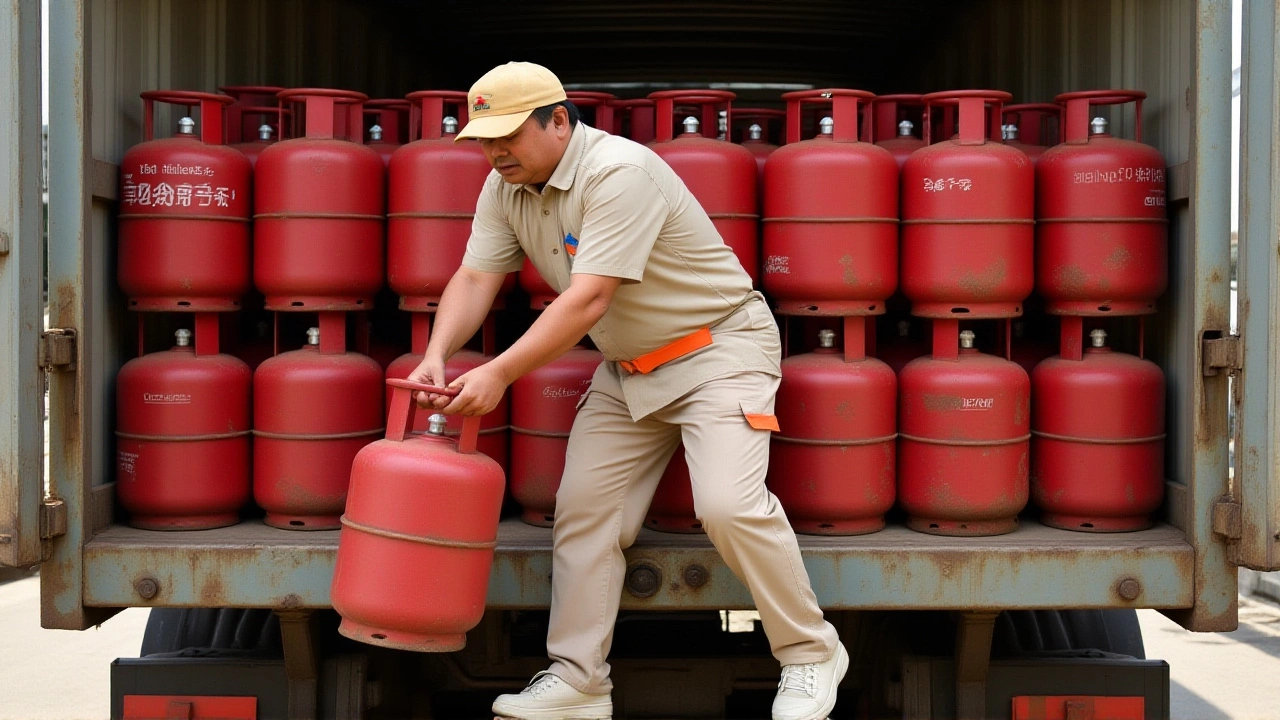
In a move designed to ease immediate pressure, the government rolled out a new alternative: the 5-kilogram “Chutku” cylinder. Available since March 23, these smaller units are sold at market rates directly from dealer counters. No address proof is needed—just valid ID. It’s a pragmatic fix for those who can’t wait for the standard 14.2kg cylinders.
Data shows that approximately 660,000 of these small cylinders have already been sold nationwide. For many families, especially in urban areas, this offers a stopgap solution. A 14.2kg cylinder typically lasts a family 35–40 days. The 5kg version? It’s less efficient, but it keeps the stove lit during shortages. Sales figures suggest strong uptake, indicating that consumers are adapting quickly to the new reality.
Ground Reality vs. Official Assurances
While official statements emphasize stability, the ground reality tells a different story. Reports from various regions highlight severe disruptions. Hotels and roadside eateries (*dhabas*) have been forced to shut down due to lack of fuel. In Delhi, the Lawyers’ Canteen at the High Court had to suspend its main course meals, serving only sandwiches and salads because they couldn’t secure gas cylinders.
This disconnect between policy and practice is causing frustration. Panic buying is evident, with people stockpiling cylinders they don’t immediately need. The fear of missing out is driving demand higher, exacerbating the very shortage the government is trying to mitigate. As one local vendor put it, “People aren’t buying for today; they’re buying for next month.”
What’s Next for Energy Security?
The timeline for recovery remains uncertain. If the conflict de-escalates and shipping routes reopen smoothly, supply might normalize within a month. However, if attacks on infrastructure in Qatar or elsewhere persist, we could see disruptions lasting up to a year. Fertilizer plants, which rely heavily on LPG and related gases, are expected to receive increased supplies starting April 6, aiming to reach 90% of average consumption levels via incoming LNG cargoes.
Long-term, this crisis highlights the urgent need for diversification. India’s heavy reliance on single-source imports makes it vulnerable to geopolitical shifts. Expanding domestic production, investing in pipeline networks (currently serving 150 million homes), and accelerating the transition to cleaner, locally sourced alternatives are not just options—they’re necessities.
Frequently Asked Questions
Why is India facing an LPG shortage right now?
The shortage is primarily driven by geopolitical tensions in the Middle East, particularly around the Strait of Hormuz, which handles 90% of India’s LPG imports. Military conflicts have disrupted shipping routes, causing delays and reducing the volume of gas reaching Indian ports. Additionally, high domestic demand and limited strategic reserves have amplified the impact of these supply chain disruptions.
How long will the LPG crisis last?
Experts estimate the duration could range from one month to a full year. This wide variance depends on how quickly regional conflicts de-escalate and whether key infrastructure, such as LNG plants in Qatar, suffers permanent damage. If shipping resumes normally soon, relief may come within weeks; otherwise, prolonged shortages are likely.
What is the "Chutku" cylinder scheme?
The "Chutku" cylinder is a 5-kilogram LPG unit introduced by the government as a temporary measure to alleviate pressure on the standard 14.2kg supply. Sold at market rates without the need for address proof, it allows households to access small amounts of gas quickly. Since its launch on March 23, over 660,000 units have been distributed nationwide.
Is the government taking action against hoarders?
Yes, enforcement agencies have launched aggressive crackdowns. In recent raids alone, over 2,100 inspections led to the seizure of 450 cylinders, fines for 237 distributors, and suspensions for 58 others. Broader operations have involved more than 3,700 raids, with thousands of notices issued to curb black-market trading and ensure fair distribution.
How does this affect small businesses like restaurants?
Small businesses are severely impacted. Many hotels and roadside eateries have been forced to close temporarily due to inability to source fuel. Even institutional kitchens, such as the Delhi High Court’s lawyers’ canteen, have scaled back services, offering only cold food items. This disruption threatens livelihoods and highlights the vulnerability of sectors dependent on consistent LPG supply.