Fatal mid-air helicopter collision in New Jersey kills one pilot
May, 27 2026
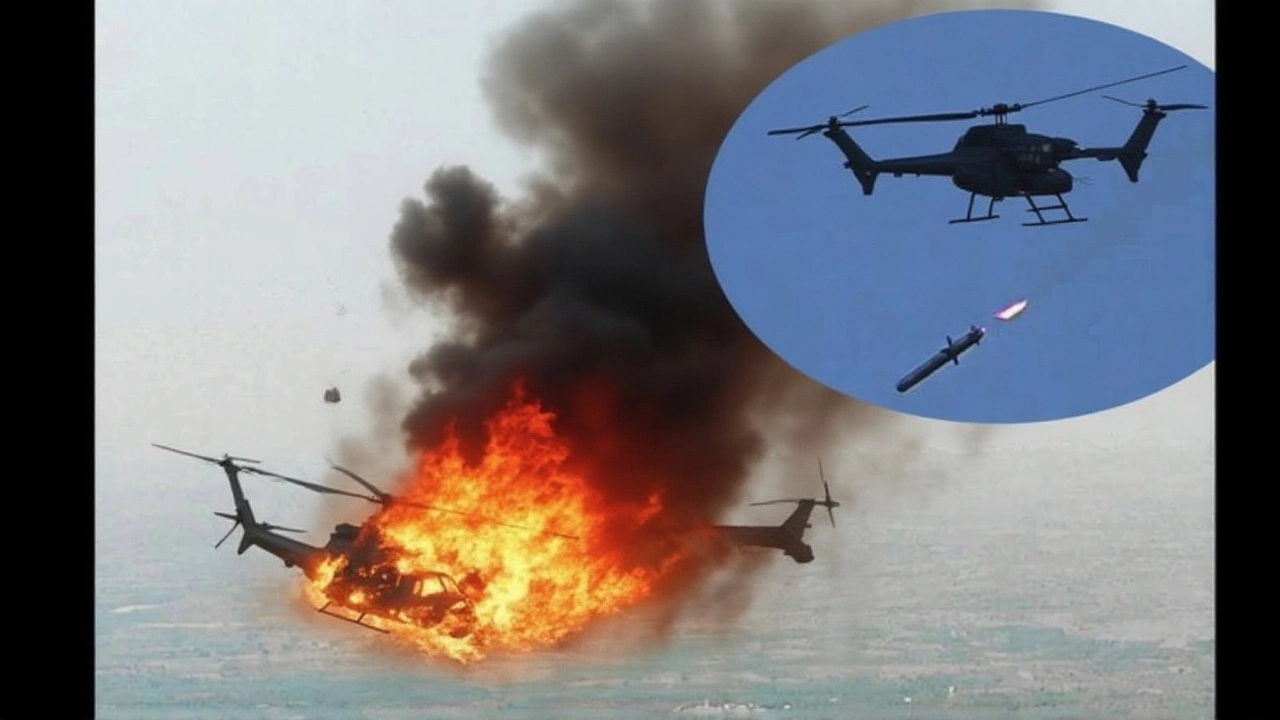
Two helicopters collided mid-air over New Jersey on December 28, resulting in a fatal crash that has shaken the local aviation community. The incident occurred near Hammonton, just above the Hatton Municipal Airport, when two light aircraft failed to maintain separation and struck each other before plummeting to the ground.
The details are grim but clear: one pilot died at the scene, while the other was rushed to a hospital in critical condition. It’s a stark reminder of how quickly things can go wrong in the skies, even during routine flights. But here’s the thing—this wasn’t a commercial airliner or a military operation. These were private or training flights involving small, single-pilot machines.
The Crash Details
According to initial reports, the accident happened around 11:25 AM local time. Eyewitnesses described seeing the two helicopters flying normally before they suddenly converged in the air. One video circulating online shows one of the craft spinning uncontrollably after impact, losing altitude rapidly before hitting the earth.
Federal Aviation Administration (FAA) confirmed that the aircraft involved were an Enstrom F-28A and an Enstrom 280CC, both manufactured by Enstrom Helicopter Corporation. These are lightweight models often used for personal transport or flight training. Each helicopter carried only one pilot, meaning there were no passengers aboard.
The force of the collision was severe enough to cause both aircraft to lose stability instantly. Within seconds, they crashed into the ground nearby. Emergency responders arrived shortly after receiving the alert, pulling the pilots from the wreckage. Tragically, it was too late for one of them.
A Personal Tragedy
Beyond the technicalities, this story hits close to home for locals. A cafe owner named Cipollino, whose establishment sits near the crash site, shared a heartbreaking detail: the two pilots were regulars who often sat together for breakfast. They knew each other well, friends sharing a passion for flying.
“They were like brothers,” Cipollino said. “To see something like this happen… it’s devastating.” This human element adds weight to the tragedy. It wasn’t just two strangers colliding; it was two people with lives, relationships, and dreams cut short in an instant.
What Went Wrong?
While the investigation is ongoing, several questions have emerged. Was there a communication breakdown between the pilots? Did weather conditions play a role? Or was it simply a tragic case of poor spatial awareness?
The FAA noted that the flights appeared to be either training exercises or private trips, not part of any scheduled commercial service. This suggests that strict air traffic control protocols might not have been fully engaged, leaving more responsibility on the individual pilots to avoid collisions.
Interestingly, similar incidents have occurred elsewhere recently. In Mexico, a navy helicopter crashed shortly after takeoff due to instability issues. Meanwhile, videos showcasing Indian Army attack helicopters destroying tanks highlight the precision required in modern aviation warfare. Yet these cases differ significantly from the New Jersey crash, which involved civilian-style operations rather than military maneuvers.
Broader Implications
This incident raises important concerns about aviation safety standards, particularly for smaller aircraft operating outside controlled airspace. With increasing numbers of drones and recreational flyers taking to the skies, ensuring safe navigation becomes paramount.
Experts point out that technology alone won’t solve every problem. Pilot training, situational awareness, and adherence to basic rules remain crucial. As one aviation analyst put it, “Technology helps, but ultimately, it’s up to the human behind the controls.”
What’s Next?
The National Transportation Safety Board (NTSB) will likely lead the formal investigation, examining black box data if available, interviewing witnesses, and analyzing debris. Until then, many answers remain unclear.
In the meantime, families and friends mourn their loss, while others reflect on the fragility of life—and the importance of vigilance in the skies.
Frequently Asked Questions
How does this affect general aviation safety?
This incident highlights vulnerabilities in non-commercial aviation, where pilots rely heavily on visual cues and self-regulation. Enhanced training programs and better coordination systems could help prevent future tragedies.
Who is affected by this crash?
Primarily, the victims’ families and friends bear the emotional toll. Locally, residents near Hammonton may feel heightened anxiety about overhead flights. Broader implications include potential regulatory changes impacting all pilots.
What led to this collision?
Exact causes are still under investigation. Possible factors include miscommunication, inadequate spacing, or environmental conditions like wind shear. Official findings will come later.
What’s the timeline of events?
The crash occurred on December 28 at approximately 11:25 AM. Emergency services responded immediately, extracting survivors within minutes. Investigations began shortly thereafter, focusing on recovery and evidence collection.
What are experts saying?
Aviation specialists emphasize the need for improved situational awareness tools and stricter enforcement of separation guidelines. Some suggest integrating advanced collision avoidance systems into lighter aircraft categories.